
Anti Termite Treatment in Chennai
Termites can remain hidden inside soil, wall openings, wooden structures, flooring, furniture, and other concealed areas for long periods before their activity becomes obvious. By the time a homeowner notices damaged wood, hollow-sounding surfaces, mud tubes, discarded wings, or other signs, termite activity may already be established.
For property owners searching for Anti Termite Treatment in Chennai, effective termite management requires understanding the building structure, identifying possible termite entry routes, checking moisture-prone locations, assessing affected materials, and selecting a treatment approach suitable for the property.
Pesty Pest Control Services provides termite-control assistance for residential and commercial properties across Chennai. With 20+ years of experience, the service approach combines property inspection, termite activity assessment, customized treatment planning, appropriate application methods, and practical prevention guidance.
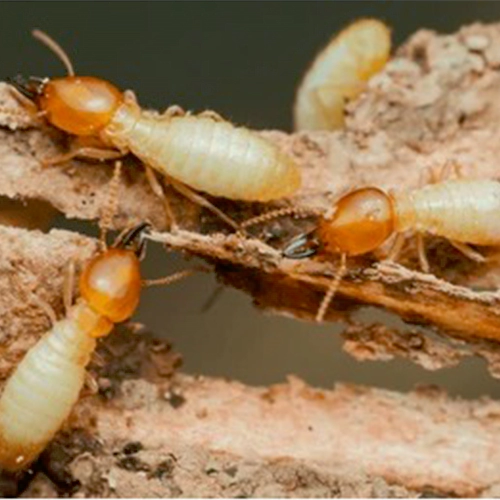
What Is Anti-Termite Treatment?
Anti-termite treatment refers to preventive or corrective measures used to reduce termite activity and protect a building or its vulnerable components from termite-related damage.
Depending on the property and stage of construction, treatment may be considered for:
The treatment strategy depends on whether the building is under construction, newly completed, already occupied, renovated, or experiencing an existing termite problem. An inspection is therefore an important first step.
Why Termites Need Attention
Termites feed on cellulose-containing materials and can remain concealed while moving through protected routes. Wooden materials are particularly vulnerable, but termite activity may also become associated with:
A termite problem can therefore involve more than a single piece of furniture. For this reason, property owners should investigate recurring termite signs instead of treating only the visibly damaged item.
Common Signs of Termite Activity
Early recognition can make it easier to arrange a professional inspection.
Anti-Termite Treatment for Existing Buildings
Existing buildings require a different approach from properties that are still under construction. In an occupied property, the pest-control professional needs to understand:
- Where termites are active
- Which materials are affected
- How the building is constructed
- Where soil and structural elements connect
- Whether moisture is present
- Whether previous treatment was performed
- Which areas can be accessed safely
Treatment should be planned around the actual structure, particularly in older houses where repairs, extensions, flooring changes, plumbing modifications and renovations may have created new access points.
Anti-Termite Treatment During New Construction
New construction provides an opportunity to consider termite prevention before the building is occupied.
Depending on the construction stage and project requirements, measures may be considered around:
- Soil
- Foundation areas
- Plinth filling
- Flooring
- Wall-floor junctions
- Construction joints
- Service entry points
Construction-stage treatment needs to be coordinated with the building schedule and site conditions.
Treatment for Renovated Properties
Renovation can expose areas that were previously inaccessible. When old flooring, cabinets, wooden structures, or other materials are removed, termite activity may become visible.
Before completing renovation work, it can be useful to inspect:
Addressing termite activity during renovation can help avoid covering an active problem with new materials.
Why Inspection Comes First
Termites are often hidden. A visible sign may represent only one part of a larger activity area.
The objective is to understand how termites may be accessing the property and which areas require treatment.
Identifying Possible Termite Entry Routes
Soil-to-Structure Contact
Direct or indirect contact between soil and building components can create conditions that need attention.
Cracks and Gaps
Small openings around structural components may provide concealed pathways.
Plumbing Areas
Service openings and moisture around plumbing can require inspection.
Construction Joints
Building junctions may need assessment, particularly when signs appear close to floors or walls.
Wooden Components
Wooden structures in contact with or close to vulnerable areas may require examination.
Moisture-Prone Locations
Persistent moisture can create favourable conditions for termite activity and should be addressed alongside treatment.
Moisture and Termite Management
Moisture management is an important part of building maintenance. Potential sources include:
Not every damp area contains termites, but moisture-related building problems should be investigated where termite activity is suspected. Repairing the source of moisture can support the overall termite-management strategy.
Anti-Termite Treatment for Wooden Doors & Window Frames
Wooden Doors
Door frames can be vulnerable because they are fixed to the building and may have concealed sections that are difficult to inspect.
- Hollow sections
- Surface deterioration
- Small openings
- Mud deposits
- Unusual cracking
- Repeated damage
Simply replacing a damaged door without investigating the surrounding area may leave the underlying termite source unaddressed.
Window Frames
Wooden window frames can also be inspected when termite activity is suspected.
- Frame joints
- Wall connections
- Lower frame sections
- Moisture-prone areas
- External wall junctions
If termites are found around a window frame, the surrounding structure may also need assessment.
Termites in Kitchen Cabinets
Kitchen cabinets combine wooden materials, plumbing, moisture, food storage, and concealed spaces. Wooden cabinetry can become affected.
- Sink cabinets
- Wooden panels
- Cabinet bases
- Wall junctions
- Plumbing openings
- Damp sections
Repairing leaks is particularly important where water is present.
Termites in Wardrobes and Furniture
Furniture can show termite damage even when the building itself does not immediately show obvious signs.
- Wardrobes
- Beds
- Wooden shelves
- Cabinets
- Tables
- Storage units
- Wooden partitions
If several wooden items in different areas show similar damage, it is useful to inspect the wider property rather than treating each piece independently.
Termite Treatment for Different Properties
Anti-Termite Treatment Process
A professional service can involve several stages, from customer enquiry through post-treatment guidance.
Customer Enquiry
Property type, location, visible signs, affected areas, previous treatment, construction status and urgency are discussed.
Site Inspection
The property is examined for visible termite signs and potential access routes.
Activity Assessment
Areas requiring further attention are identified based on the inspection.
Treatment Planning
A treatment strategy is selected according to the building and infestation conditions.
Preparation
Instructions are provided regarding access, storage, furniture, people, pets and other requirements.
Treatment
Treatment is applied to identified areas using appropriate professional methods.
Post-Treatment Guidance
Guidance may cover monitoring, moisture control, maintenance and follow-up requirements.
Why Treatment Method Depends on the Property
There is no single treatment procedure that should automatically be applied to every property.
Each has different construction features and access conditions. A professional inspection helps determine the appropriate treatment strategy.
Existing Termite Activity
When termites are already present, the focus is on identifying activity and treating affected or vulnerable areas.
Preventive Treatment
When construction is new or an area is being renovated, the objective may be to reduce the possibility of future termite entry.
Anti-Termite Measures During Building Construction
Property owners and builders can discuss termite-prevention measures during different construction stages.
Construction-stage treatment should be coordinated with the project schedule so that treated areas are not unnecessarily disturbed by subsequent construction work.
Protecting a Newly Built Property
A new building can still require termite-prevention planning. Construction materials, soil conditions, landscaping, drainage, wooden installations, and building design can influence future pest risk.
Before occupation, owners can consider inspecting:
Early inspection can help identify conditions requiring attention before they become larger maintenance issues.
Preparing for Anti-Termite Treatment
Preparation depends on the treatment method and property. Customers may be asked to:
Customers should follow the specific preparation instructions provided for their property.
What Customers Should Tell the Pest-Control Team
- When termites were first noticed
- Where signs were found
- Whether wood is damaged
- Whether mud tubes are visible
- Whether wings have been found
- Whether previous treatment was performed
- Whether the building is new or old
- Whether renovation is underway
- Whether moisture problems exist
- Whether nearby units have similar activity
Previous Termite Treatment
A property may have received termite treatment in the past. This information is important because the service provider may need to understand:
- What areas were treated
- When treatment was performed
- Whether activity returned
- Whether construction changes occurred afterward
- Whether flooring or furniture was replaced
- Whether moisture problems developed
Customers should provide previous treatment details whenever available.
What Not to Do When Termites Are Found
When termite signs are discovered, avoid making structural changes before understanding the cause.
Replacing a damaged wooden frame immediately may remove the visible evidence while leaving the underlying activity untreated.
Similarly, covering damaged areas with paint or new material may make future inspection more difficult. It is generally better to inspect first and then decide what repairs or replacement are required.
Termite Treatment and Property Maintenance
Treatment is only one part of long-term termite management. Property owners should also monitor:
Regular inspection can help identify new signs at an earlier stage.
Reducing Conditions That Support Termites
Anti-Termite Treatment for Chennai Homes
Chennai properties can include apartments, independent houses, villas, older buildings, newly constructed homes, and renovated properties. Each property has different construction characteristics.
For homeowners, the most useful first step is usually identifying the signs and arranging an inspection.
This prevents the treatment plan from being based solely on one visible symptom.
Same-Day Inspection
Pesty Pest Control Services offers same-day inspection, subject to service availability.
When termite signs appear, an inspection can help customers understand:
- Where the activity is located
- Whether additional areas need checking
- What conditions may be contributing
- What treatment options may be appropriate
- What preparation is required
Customers can provide photographs or details during the initial enquiry, but an on-site inspection may still be required to properly assess the property.
24–48 Hour Treatment Service
Treatment can be arranged within the stated 24–48 hour service window, subject to inspection, scheduling, property preparation, and treatment requirements.
The exact service timeline should be confirmed with the team before booking. For urgent termite concerns, customers can contact the service directly to discuss inspection availability.
24x7 Service Assistance: Termite activity does not always appear during convenient business hours. Pesty Pest Control Services provides 24x7 pest-control service assistance, subject to availability and scheduling.
Customized Termite Treatment Plans
A termite problem should be assessed according to the building. Pesty Pest Control Services develops treatment plans based on factors such as:
This approach helps avoid treating every property as though it has the same termite problem.
Safety and Treatment Precautions
Pest-control treatment should always be carried out according to the product label, professional instructions, and property requirements.
The exact precautions depend on the treatment products and application method. Customers should not assume that all pest-control treatments have identical safety or re-entry requirements.
Children and Pets During Treatment
Children and pets should be kept away from areas undergoing treatment according to the instructions provided by the pest-control professional.
What Happens After Treatment?
After treatment, customers should monitor the property and follow the recommended maintenance instructions.
- Monitor specific areas
- Maintain dry conditions
- Repair leaks
- Avoid disturbance of treated areas
- Watch for new signs
- Schedule follow-up inspection where required
Does Termite Treatment Always Mean Replacing Wood?
No. Whether damaged wood should be repaired or replaced depends on its condition and structural importance.
Some materials may remain usable after the termite issue is addressed, while severely damaged components may require repair or replacement. The decision should be made after assessing the extent of damage.
Can Termites Affect a Newly Renovated Property?
Yes, renovation does not automatically eliminate termite risk. New cabinets, wooden partitions, flooring, or other materials can still become vulnerable if termite access remains.
Renovation should therefore include attention to underlying structural conditions rather than focusing only on replacing visible damaged materials.
Why Professional Inspection Matters
DIY products may be useful for isolated situations, but termite activity inside a building can be difficult to locate.
This information can support a more targeted treatment plan.
Choosing a Termite-Control Service
Property owners can consider practical factors when selecting a service provider.
Common Mistakes Property Owners Make
Treating Only the Visible Damage
A damaged cupboard or door frame may not be the only affected area.
Ignoring Moisture
Persistent dampness can contribute to building conditions that favour termite activity.
Replacing Wood Without Inspection
Replacement can hide the visible problem without identifying the underlying cause.
Covering Signs
Painting, filling, or covering suspicious areas before inspection can make assessment more difficult.
Delaying Inspection
Waiting until damage becomes extensive can make property maintenance more complicated.
Assuming Every Problem Is the Same
Construction, property type, activity location and moisture conditions all differ.
Termite Prevention Checklist
Property owners can use the following checklist as part of routine maintenance:
Frequently Asked Questions
What is anti-termite treatment?
When should I arrange anti-termite treatment?
Is anti-termite treatment only for new buildings?
Can termites damage furniture?
Does Pesty Pest Control Services provide 24x7 service?
Contact Pesty Pest Control Services
If you have noticed termite activity, damaged wooden structures, mud tubes, discarded wings, or unexplained wood damage, arranging an inspection can help identify the issue before further decisions are made.
Discuss your property, termite signs, inspection requirements and suitable treatment options with the team.
+91-6381283211